During the teenage years, the brain is still developing — particularly areas involved in reward, habit formation, and long-term preferences. Research in nutrition and developmental psychology shows that repeated exposure to a wide variety of foods increases acceptance over time. In other words: familiarity builds preference. The more often adolescents see, smell, and taste different foods, the more likely they are to accept — and eventually enjoy — them.
Variety also matters nutritionally. Adolescence is a period of rapid growth, increased nutrient demands, and shifting activity levels. Offering a broad range of vegetables, proteins, whole grains, legumes, herbs, and global flavors increases the likelihood they’ll get the fiber, phytonutrients, minerals, and healthy fats their growing bodies need.
It’s important for parents-at-their-wits-end to understand that when a child turns up their nose at a particular food or meal, that’s not a loss, it’s an exposure. The body is learning about the food, and will remember what nutrients it promises. There are many examples out there of people who hated something when they were little and then liked it later (or craved it during pregnancy) because the body remembers!
The challenge? Decision fatigue. When parents are exhausted, it’s easy to default to the usual.
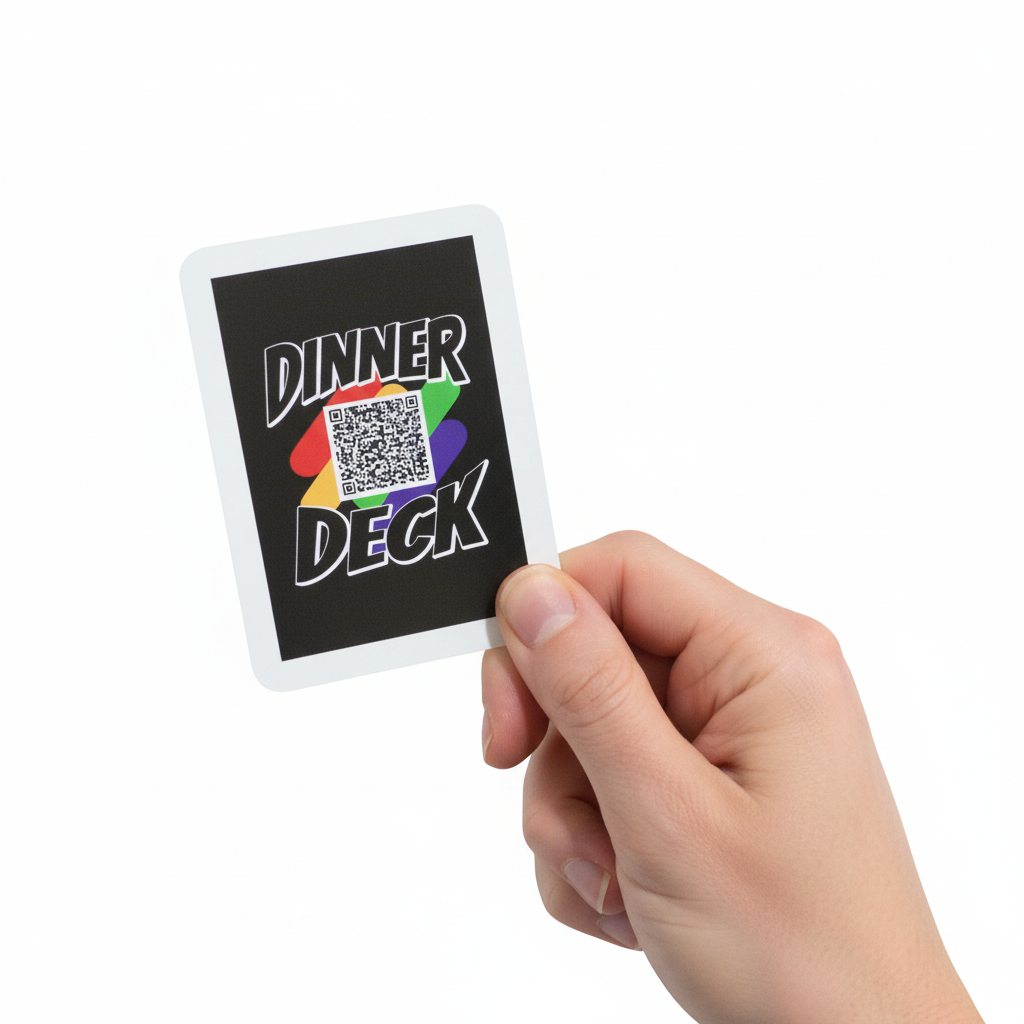
That’s where Dinner Deck becomes your secret weapon.
Instead of negotiating or overthinking, shuffle the deck and let the cards decide. The structure nudges your family toward meals you might not otherwise choose — new ingredients, new cuisines, new combinations. It turns “Why are we having this?” into “The deck chose it!”
And here’s the best part: if they don’t love it, you can always blame the deck.
Lower pressure. Less personal rejection. More exposure.
You’re not forcing food — you’re normalizing variety.
Over time, those exposures add up. Palates widen. Confidence grows. And dinner becomes less about catering to preferences and more about building adventurous, resilient eaters.
Sometimes the simplest tool — a deck of cards — can quietly reshape a lifetime of eating habits. Check out the revolutionary game bringing fun and stress-relief back to meal planning!